Tattoo Aftercare: What You Need to Know

A tattoo is more than just a piece of art and a way to assert your personal style. It’s a medical procedure, because the artist uses a needle to insert the ink underneath your skin. Any time you open the skin you leave yourself vulnerable to scarring and infections. Caring for your tattoo can prevent these complications and ensure that it heals properly. Both you and your artist play equal roles in this process. Along with going to a licensed and reputable tattoo artist you need to take care of your new tattoo at home.

Tattoo protection

How to care for your tattoo

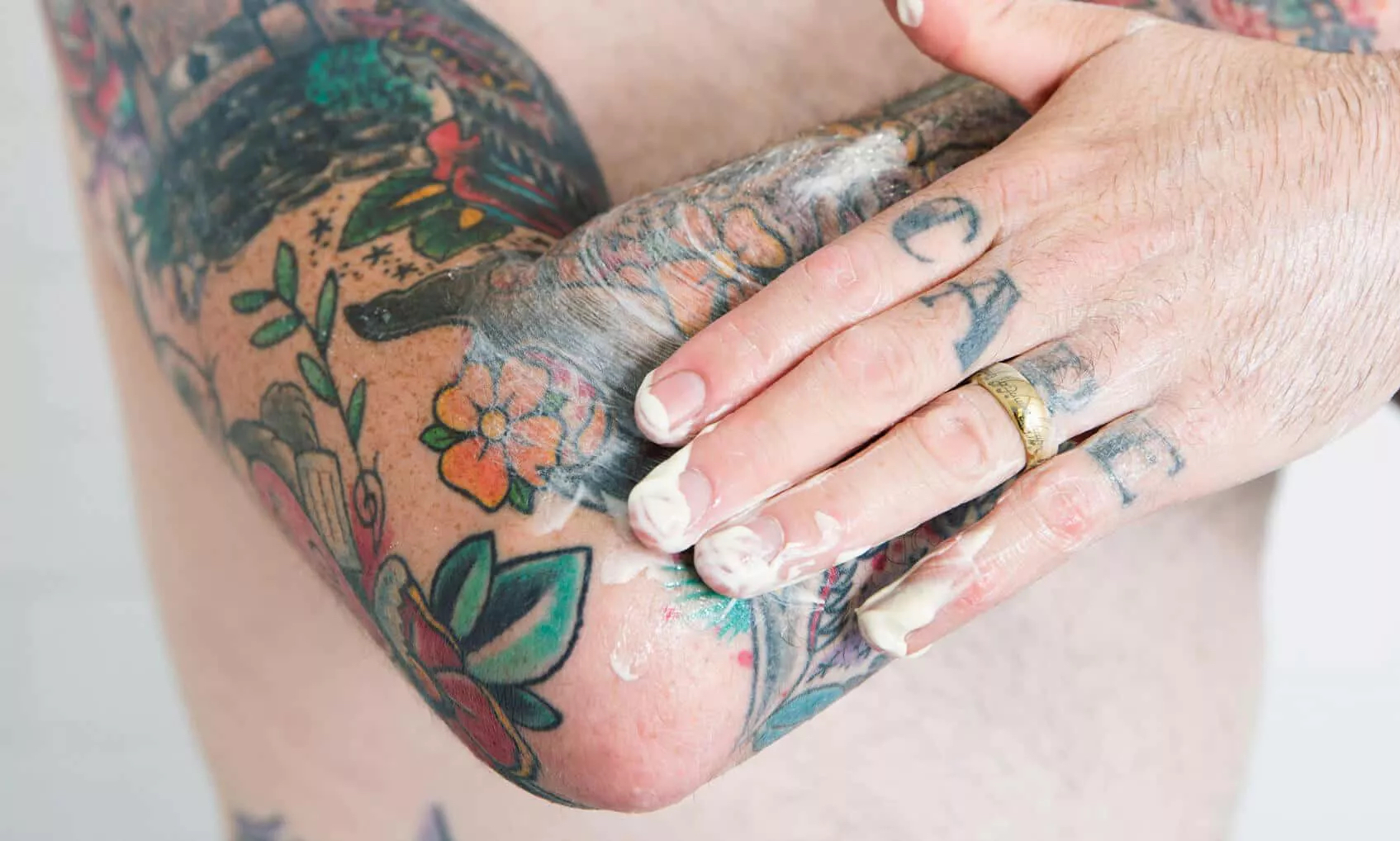
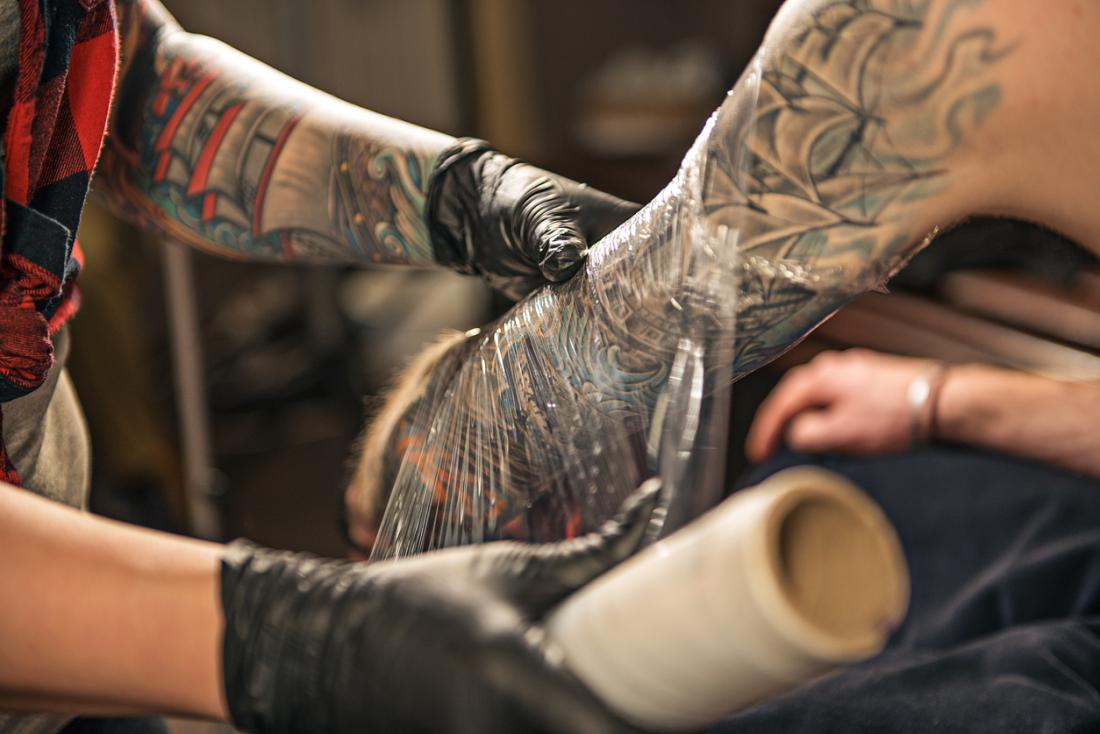
Aftercare starts as soon as your tattoo is done. The artist should apply a thin layer of petroleum ointment over the tattoo, and then cover the area in a bandage or plastic wrap. This covering prevents bacteria from getting into your skin. It also protects the tattoo from rubbing on your clothes and getting irritated. Keep the dressing on for a few hours. It will help absorb any fluid or excess ink that leaks from the tattoo. After a few hours, you can remove the bandage. Wash your hands first with lukewarm water and soap. Then gently wash the tattoo with fragrance-free soap and water. Pat your skin dry with a soft cloth. Apply a small amount of petroleum ointment to the tattoo. You can keep the bandage off at this point to let your skin breathe.

Tattoo petroleum

While your tattoo heals, you should:
- wear sun-protective clothing whenever you go outside
- call your tattoo artist or doctor if you have any signs of infection or other problems.

You shouldn’t:
-cover your tattoo with sunblock until it’s fully healed
-scratch or pick at the tattoo -wear tight clothing over the tattoo
- go swimming or immerse your body in water (showers are fine)

Day 1

You’ll come home from the artist with a bandage over your tattoo. After a few hours, you can remove it. You should ask your artist for specifics about how long to wait. Once the bandage comes off, you’ll probably notice fluid oozing from the tattoo. This is blood, plasma (the clear part of blood), and some extra ink. It’s normal. Your skin will also be red and sore. It might feel slightly warm to the touch. With clean hands, wash the tattoo with warm water and a fragrance-free soap. Apply a petroleum ointment. Leave the bandage off so the tattoo can heal.

Tattoo bandage

Another thing to think about is whether having lots of visible tattoos will hurt your chances of getting a job in the future. For example, if you want to be a real estate salesperson or any job that requires face-to-face interactions with clients, don’t even think about getting tattooed on the face. Some employers are conservative when it comes to tattoos. Don’t blame tattoo discrimination if you didn’t get that frontline job at Burger King because your face is covered with ink. Most importantly, different locations produce different levels of pain. In general, getting tattooed in an area with lots of muscle or fat will hurt less than getting inked where there are lots of bones. For first-timers, we definitely don’t recommend getting a tattoo on the ribs. It is considered one of the most painful experiences ever. Please trust us on this one.


Contact Me

Address:

15A, Ion Ionescu de la Brad, Strada, 15A, Timișoara 300246, Romania


Please use the form below to contact us